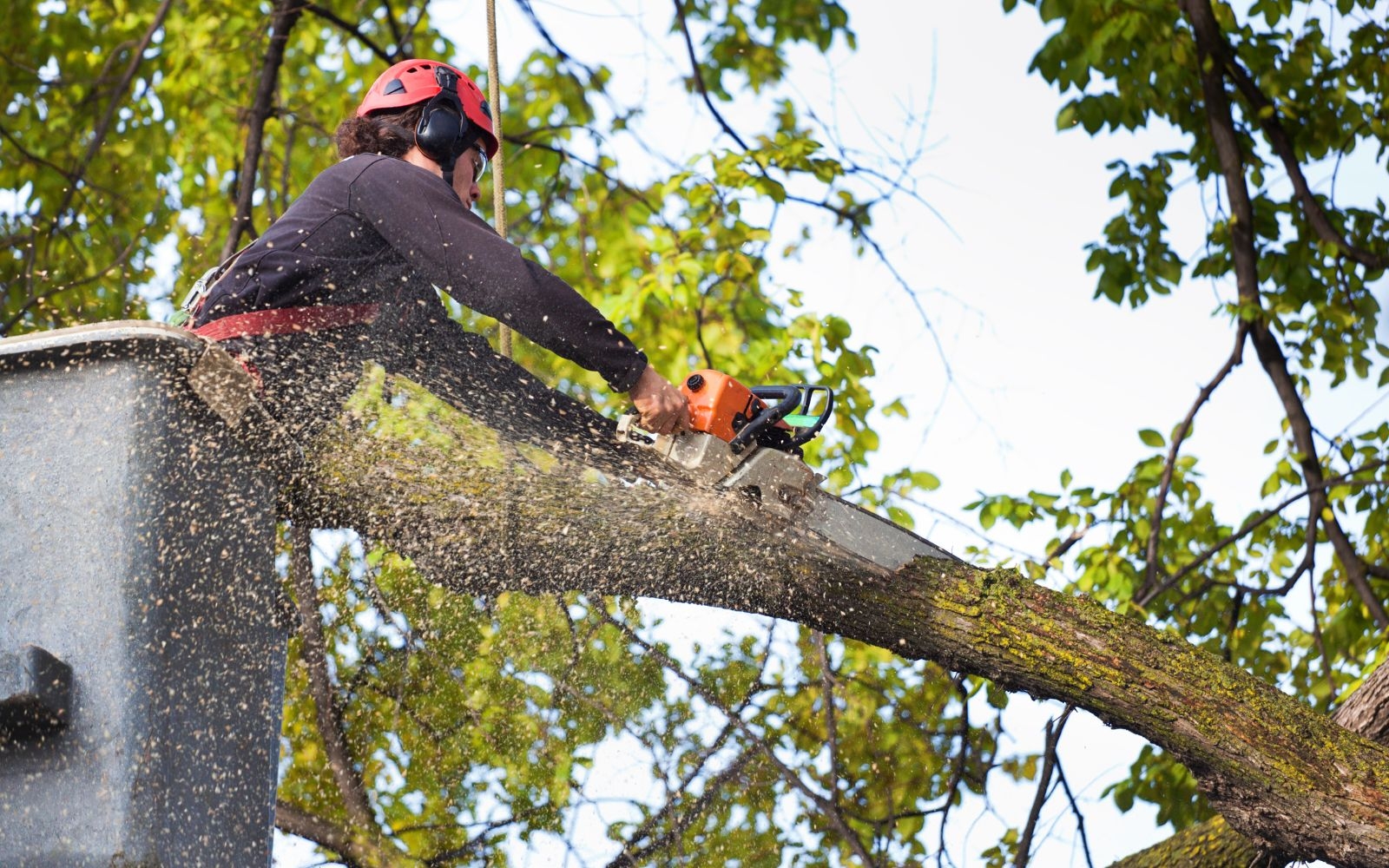
Tree Removal services by qualified staff for safe removal of trees of any size.
Tree Pruning services to enhance tree health, aesthetics, and property safety.
Tree Lopping, Cutting, and Removal for large or hazardous branches and trees.
Palm Tree Removal including stumps, fronds, leaves, seeds, and fruit.
Hedge Pruning for neat, attractive, and safe hedge growth.
Land Clearing for residential, commercial, and agricultural areas, including large-scale projects.
Block and Land Clearing for property preparation, construction, or landscaping.
Stump Grinding with modern machinery to remove all traces of tree stumps.
Commitment to protecting property and surrounding areas during tree services.
Trusted location at Unit 9/169 Beavers Rd, Northcote VIC 3070, serving Melbourne homeowners and businesses.
Use of modern, high-quality equipment and safety gear for all tree care operations.
Comprehensive insurance coverage for all services, ensuring client peace of mind.
Identification of hazards including overgrown branches, storm damage, proximity to cables, and invasive roots.
Professional handling of pest infestations and excessive or misdirected tree growth.
Efficient, experienced, and results-driven service for timely project completion.
Free, obligation-free quotes to help clients make informed decisions.
Personalized consultation and guidance to address tree and garden concerns.
Service coverage across all Melbourne suburbs including North Melbourne, South Melbourne, Port Melbourne, East Melbourne, West Melbourne, Albert Park, Middle Park, St Kilda, Windsor, Prahran, Richmond, Brunswick, Northcote, Fitzroy, Hawthorn, and Sunshine.
Dedicated team focused on maintaining Melbourne’s natural beauty and garden safety.
Expert advice on tree health, maintenance, and property improvement.
Assessing the health of your tree is crucial in determining whether it needs pruning. Melbourne Tree Removal Experts is a trusted provider of professional tree services across Melbourne and surrounding suburbs. With a qualified and experienced team, we specialise in safe, efficient and affordable solutions for all types of tree care needs. Whether you require complete tree removal, detailed pruning, hedge shaping or large-scale land clearing, our experts are equipped with modern machinery and industry-standard safety gear to deliver outstanding results. Melbourne Tree Removal Experts Our comprehensive service range includes tree removal for trees of any size or condition, ensuring the safety of your property and the surrounding environment. We also offer expert tree pruning to improve tree health, encourage strong growth and enhance the overall appearance of your landscape. For properties that require extensive preparation, our land-clearing services cover residential, commercial and agricultural sites. We have the heavy-duty equipment needed for larger projects, from clearing shrubs to removing mature trees.. Start by examining the overall appearance of the tree. A healthy tree should have vibrant leaves, a strong trunk, and consistent growth patterns. Check for any signs of discoloration in the leaves, which could indicate nutrient deficiencies or disease. It's also important to observe the growth rate. A tree that is growing unevenly or has stunted growth might be struggling to thrive.
Signs of Tree Health Issues:
Next, inspect the trunk and branches for any signs of decay or damage. Look for cracks, splits, or any areas where the bark is peeling away. These could be signs of underlying issues, such as disease or insect infestation. Pay special attention to areas where branches meet the trunk, as these are common spots for decay. If you notice any cavities or rotten wood, it might be time to consider pruning.
Additionally, be on the lookout for dead or broken branches. These can pose a risk to both the tree and its surroundings, as they are more likely to fall unexpectedly. Removing these branches not only improves the tree's health but also enhances safety for people and property nearby.
Finally, consider the tree's environment. Trees in crowded or shaded areas may compete for resources, affecting their health. Pruning can help improve air circulation and sunlight exposure, promoting better growth. By regularly assessing your tree's health and addressing any issues promptly, you can ensure it remains a beautiful and vital part of your landscape. Remember, when in doubt, consulting with a professional arborist can provide expert guidance tailored to your specific tree care needs.
When assessing whether your tree needs pruning, a key indicator to consider is the density of its branches. Trees naturally grow to allow sunlight and air to penetrate through their canopy. However, when branches become excessively crowded, they can block light and restrict airflow, creating an environment that's not conducive to healthy growth.
Overcrowding occurs when too many branches occupy a small space, leading to competition for resources like sunlight, water, and nutrients. This can cause weaker branches to develop as they struggle to receive the necessary elements to thrive. Additionally, branches that are too close together may rub against each other, causing wounds that can become entry points for pests and diseases.
To determine if your tree is suffering from overcrowding, stand back and observe its overall structure. Look for areas where branches are densely packed together, forming a thick canopy that sunlight struggles to penetrate. You might also notice that the leaves in these areas are sparse or smaller compared to those on less crowded branches. In some cases, the tree's growth may appear stunted or uneven.
Pruning can be an effective solution to this problem. By selectively removing certain branches, you can improve air circulation and light penetration, promoting healthier growth. Focus on cutting away dead, damaged, or crossing branches first, as these can exacerbate overcrowding issues. Additionally, thinning out the canopy by removing some of the smaller, weaker branches can help redistribute resources more effectively throughout the tree.
Remember, while pruning can significantly benefit your tree, it's essential to approach the task with care. Improper pruning techniques can harm the tree, so consider consulting an arborist if you're unsure how to proceed.
When assessing your tree for pruning, start by identifying any branches that appear physically damaged. This could include breaks caused by storms, cracks from heavy loads, or unnatural bends. Damaged branches can pose a risk, as they may fall unexpectedly and cause harm. Moreover, they can hinder the tree's growth by diverting energy away from healthy parts. Ensuring that these branches are removed promptly will help maintain the overall structural integrity of the tree.
Diseased branches are a critical concern for tree health and should be removed as soon as possible. Look for signs such as discolored leaves, unusual growths, or oozing sap, which can indicate fungal or bacterial infections. If left untreated, these diseases can spread to other parts of the tree or even to nearby trees. By removing affected branches, you not only protect the tree in question but also the surrounding ecosystem. Regular inspections can help catch diseases early, making management easier.
Dead branches are not only unsightly but also potentially dangerous. They can fall without warning, posing a threat to people and property below. To identify dead branches, look for ones that lack leaves during the growing season or have dry, brittle wood. These branches no longer contribute to the tree's health and can attract pests or diseases. Pruning them away frees up resources for healthier parts of the tree and enhances overall vitality.
Choosing the right time to prune is essential for the tree's recovery and growth. Generally, late winter to early spring is ideal for most trees, as they are dormant and less susceptible to stress. During this period, any cuts made will heal quickly, and new growth will soon follow. However, some trees may have specific needs, so it's important to research or consult an arborist for the best timing. Proper timing ensures that pruning is beneficial rather than harmful.
Using the right tools for pruning is crucial for making clean cuts that heal quickly. Pruning shears are suitable for small branches, while loppers and saws are better for thicker limbs. Ensure that all tools are sharp and clean to prevent the spread of disease between cuts. Dull tools can cause ragged cuts that take longer to heal and increase the risk of infection. Regular maintenance of your pruning tools will enhance their effectiveness and prolong their lifespan.
Pruning is an essential practice for maintaining the health and appearance of your trees. By assessing the structural integrity and aesthetic shape of your tree, you can determine the best approach to pruning. Start by inspecting the tree for any dead or diseased branches, as these are the most urgent to remove. Look for branches that cross or rub against each other, as these can cause wounds that make the tree vulnerable to pests and diseases.
When pruning, always make clean cuts at the branch collar to encourage proper healing. Use the right tools, such as sharp pruning shears for smaller branches and a pruning saw for larger limbs, to achieve precise cuts. This not only enhances the tree's appearance but also minimizes the risk of disease entry.
Pruning can significantly improve a tree's aesthetic shape by removing awkward or unsightly branches. This can be particularly important for trees planted in prominent locations, where their shape contributes to the overall landscape design. Regular pruning helps maintain the desired form, ensuring the tree remains an attractive feature in your garden or property.
Key Pruning Considerations:
Consider the overall shape of the tree. An ideal structure should allow sunlight to penetrate and air to circulate through the canopy, promoting healthy growth. Thinning out crowded branches can improve both the tree's health and its visual appeal. It's also essential to maintain a balanced shape, ensuring that no part of the tree is overly weighted, which could lead to breakage during storms or heavy winds.
By carefully evaluating and addressing both the structural and aesthetic aspects of your tree, you can enhance its longevity and beauty, making it a healthy and visually pleasing part of your landscape.
Timing is crucial when it comes to pruning trees, as it can significantly impact their health and growth. Different species of trees have distinct growth patterns, and understanding these can help you determine the best time for pruning. Generally, most trees benefit from being pruned during their dormant season, which typically occurs in late winter or early spring before new growth begins. During dormancy, trees are less susceptible to diseases and pests, making it an ideal time for pruning.
Key Pruning Times:
For deciduous trees, which lose their leaves in the fall, late winter is often the best time to prune. This is when the tree is dormant, and without leaves, it's easier to see the structure of the branches. Pruning at this time helps to encourage vigorous spring growth. However, be cautious with trees that flower in the spring, such as dogwoods or magnolias, as they should be pruned immediately after their blooming period to avoid cutting off next year's flower buds.
Evergreen trees, which retain their foliage year-round, can be pruned in late winter or early spring. However, some evergreens like pines are best pruned in early summer when new growth, known as "candles," appears. Trimming these candles can help maintain the shape and size of the tree without causing harm.
Fruit trees require a slightly different approach. Pruning should occur in late winter to early spring, but it's important to consider the specific type of fruit tree. Apples and pears, for instance, benefit from late winter pruning, while stone fruits like cherries and plums are better pruned in early spring to reduce the risk of disease.
By aligning your pruning schedule with the natural growth patterns of your trees, you can promote healthier, more robust growth and ensure your trees thrive for years to come.
Ensuring the safety of your property and the people around it is a vital reason to consider pruning your trees. When assessing the need for pruning, one of the first things to look for are hazardous branches that could pose potential risks. These are branches that may be dead, dying, or structurally weak, and they can become a serious threat during storms or high winds, potentially causing damage to homes, vehicles, or even injuring people passing by.
Start by inspecting your tree for any branches that appear to be splitting or showing signs of decay. These branches are prone to breaking and should be addressed promptly. Also, look for branches that are hanging over structures or power lines, as these require immediate attention. Sometimes, the weight of these branches can cause them to fall unexpectedly, leading to costly repairs or dangerous situations.
Additionally, branches that cross or rub against each other can create wounds that invite disease and pests, weakening the tree over time. Pruning these branches not only mitigates safety risks but also promotes the tree's health and longevity.
For trees located in high-traffic areas, such as near sidewalks or driveways, regular inspections are essential. In these cases, even minor branches can become a hazard if they obstruct visibility or impede movement.
Remember, while some pruning tasks can be handled with basic tools and knowledge, others, especially those involving large or high branches, may require the expertise of a professional arborist. Prioritizing safety in your pruning efforts can help prevent accidents and ensure your trees remain a beautiful and secure part of your landscape.


Tree care is the application of arboricultural methods like pruning, trimming, and felling/thinning[1] in built environments. Road verge, greenways, backyard and park woody vegetation are at the center of attention for the tree care industry. Landscape architecture and urban forestry[2][3] also set high demands on professional tree care. High safety standards against the dangers of tree care have helped the industry evolve. Especially felling in space-limited environments poses significant risks: the vicinity of power or telephone lines, insufficient protective gear (against falling dead wood, chainsaw wounds, etc.) and narrow felling zones with endangered nearby buildings, parking cars, etc. The required equipment and experience usually transcends private means and is often considered too costly as a permanent part of the public infrastructure. In singular cases, traditional tools like handsaws may suffice, but large-scale tree care usually calls for heavy machinery like cranes, bucket trucks, harvesters, and woodchippers.
Road side trees are especially prone to abiotic stress by exhaust fumes, toxic road debris, soil compaction, and drought which makes them susceptible to fungal infections and various plant pests[4] like the spotted lantern fly.[5] When tree removal is not an option, because of road ecology considerations, the main challenge is to achieve road safety (visibility of road signs, blockage-free lanes, etc.) while maintaining tree health.

While the perceived risk of death by falling trees (a part of the "tree risk" complex) is influenced by media and often hyped (the objective risk has been reported to be close to 1 : 10.000.000, almost as low as death by lightning),[6] singular events have encouraged a "proactive" stance so that even lightly damaged trees are likely to be removed in urban and public traffic surroundings.[3] As a tree ages and nears the end of its safe useful life expectancy (SULE),[7] its perceived amenity value is decreased greatly. A risk assessment normally carried out by local council's arborist to determine the best course of action.[8] As with all public green spaces, trees in green urban spaces and their careful conservation is sometimes in conflict with aggressive urban development even though it is often understood how urban trees contribute to liveability of suburbs and cities both objectively (reduction of urban heat island effect, etc.) and subjectively.[9][10][11][12] Tree planting programs implemented by a growing number of cities, local councils and organizations is mitigating the losses and in most cases increasing the number of trees in suburbia.[13] Programs include the planting of 2 trees for every 1 tree removed, while some councils are paying land owners to keep trees instead of removing them for farming or construction.[14]
The voluntary industry consensus standards developed by TCIA, resulted in the ANSI A300 standard, the generally accepted industry standard for tree care practices including trees, shrubs, and other woody plants.[15] It includes the following parts:
Urban Forestry maintains 4.1 million trees on public property, which includes an estimated 3.5 million trees within Toronto's parks and ravines, and approximately 600,000 trees on City streets. ... The focus of our maintenance service is shifting progressively from reactive maintenance to proactive maintenance.
cite web: CS1 maint: multiple names: authors list (link)Ho Chi Minh City has announced a plan to move and cut down 300 trees on Ton Duc Thang Street in District 1 to make space for a bridge connecting to District 2 and a metro station.